Shannon Meadow Walks: A Riverside Route Guide
Explore the gentle paths along Ireland's longest river through peaceful meadows, historic bridges, and welcoming villages where you can pause and refresh.

What You'll Discover on This Walk
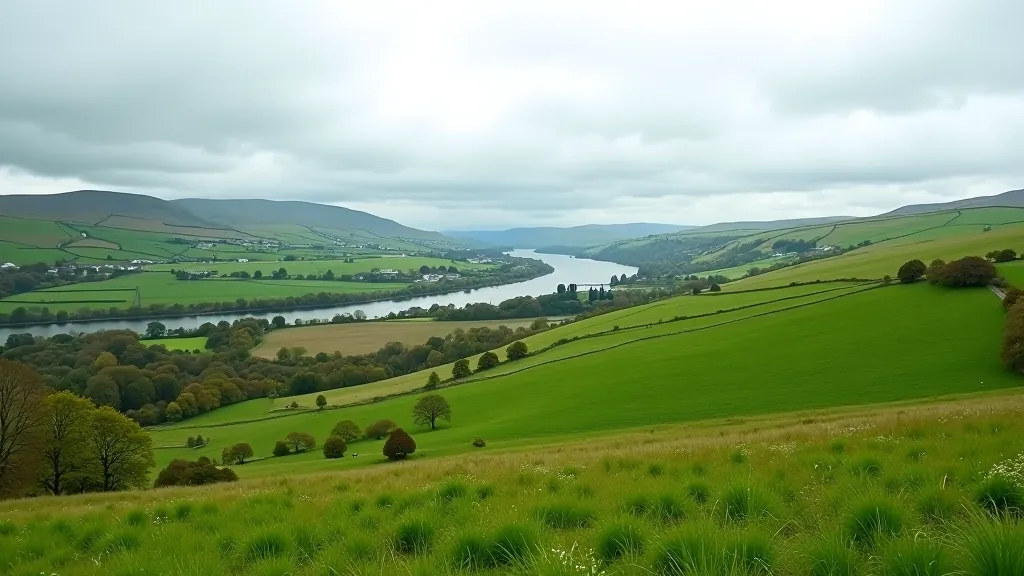
The Shannon Meadow route isn't a challenge walk. It's a gentle afternoon out where you'll notice things—the way light hits the water at different times, how the landscape changes season to season, the small villages that've been here for centuries. You'll cover roughly 8 kilometers across relatively flat terrain, taking your time without rushing.
This route works beautifully for families with older children, anyone easing back into walking, or people who simply want to experience the river without tackling serious elevation. The paths are well-maintained, and you'll find proper spots to rest and refuel along the way.
The Route Structure
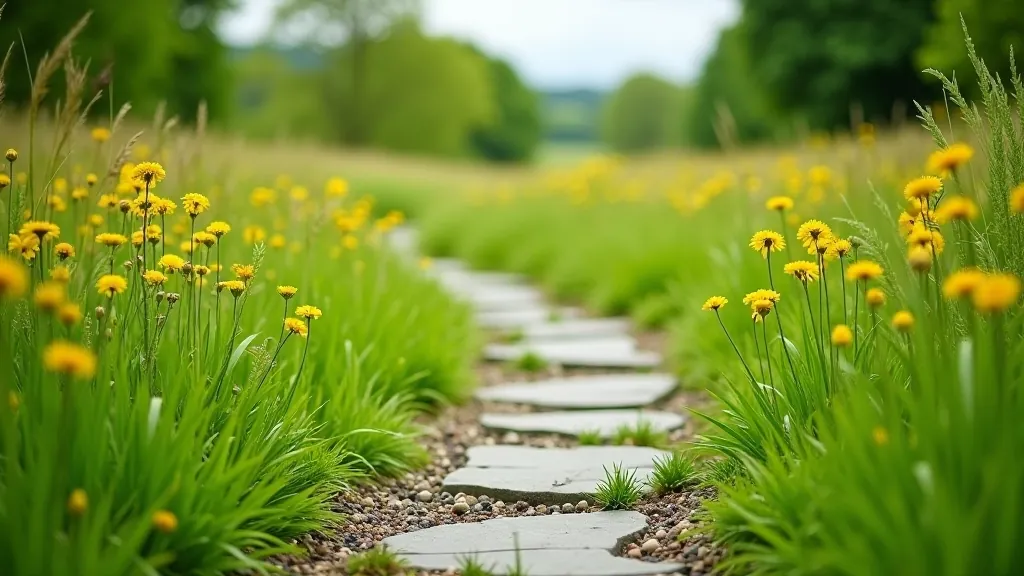
You'll start from the village of Athlone, following marked riverside paths that take you north along the Shannon. The route splits into clearly signposted sections, so you're not navigating by instinct. The walking surface varies—some sections are proper paths, others are grass meadows, a few stretches follow quiet country lanes.
Most walkers complete the full 8-kilometer circuit in about 2.5 to 3 hours, depending on how often you stop to photograph things or chat with other walkers you'll meet. There's no sense of urgency here. You'll pass through three small villages where shops and cafes are open most days—perfect for that midway break.
Key Highlights
- Athlone Bridge—historic 18th-century stone structure with great river views
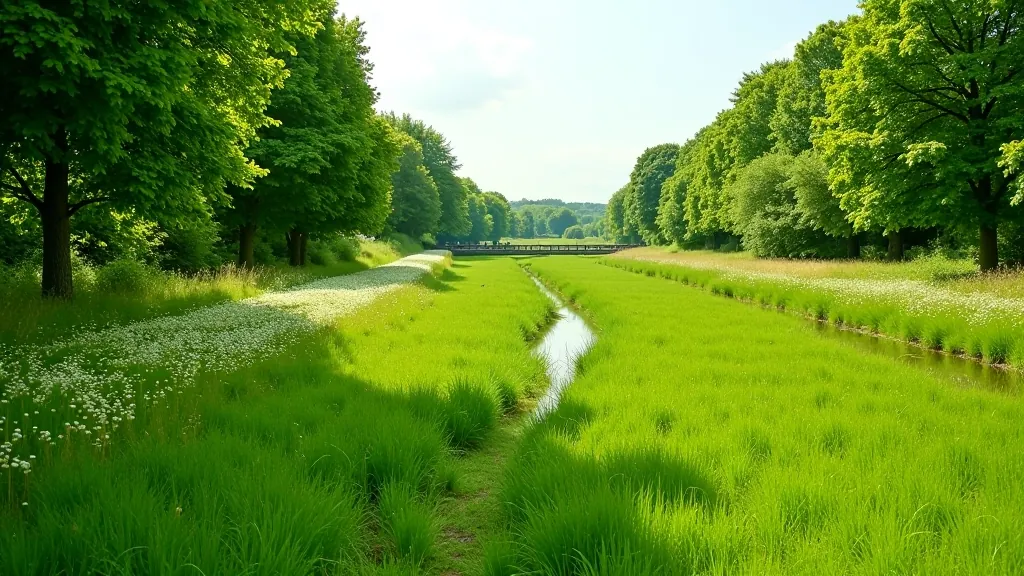
- Meadowland sections with seasonal wildflowers (May through August especially vibrant)
- Traditional village stops with genuine local hospitality
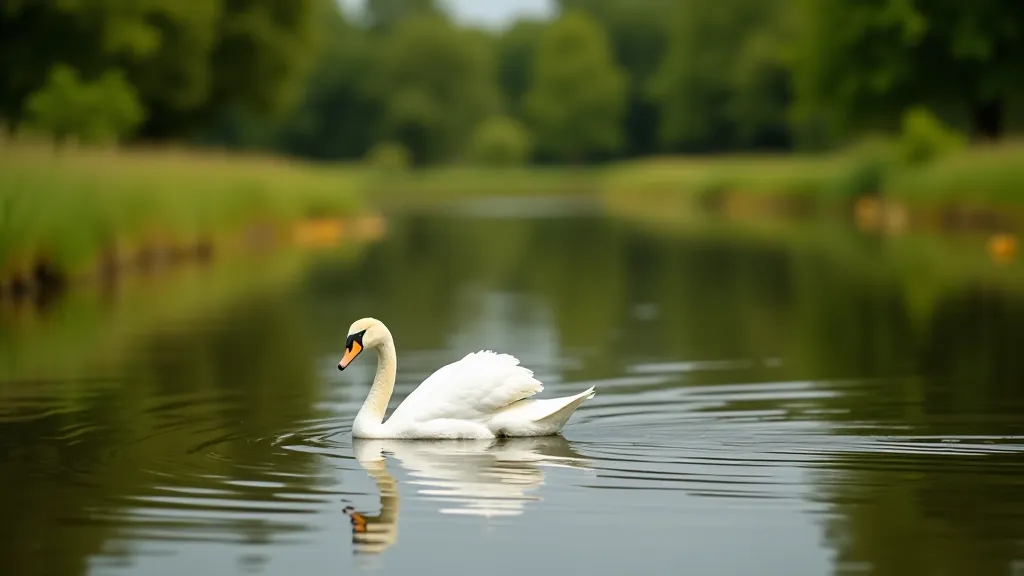
- River wildlife spotting—swans, herons, and occasional kingfishers
- Minimal elevation gain makes this accessible for most fitness levels
Educational Information
This guide provides informational content about the Shannon Meadow route based on documented walking paths and local geography. Conditions, access, and facilities can change seasonally or due to weather. Always check current local information before setting out, bring appropriate maps, and consider local weather forecasts. Walking is an individual activity—assess your own fitness level and experience before undertaking any route.
What to Bring & What to Know
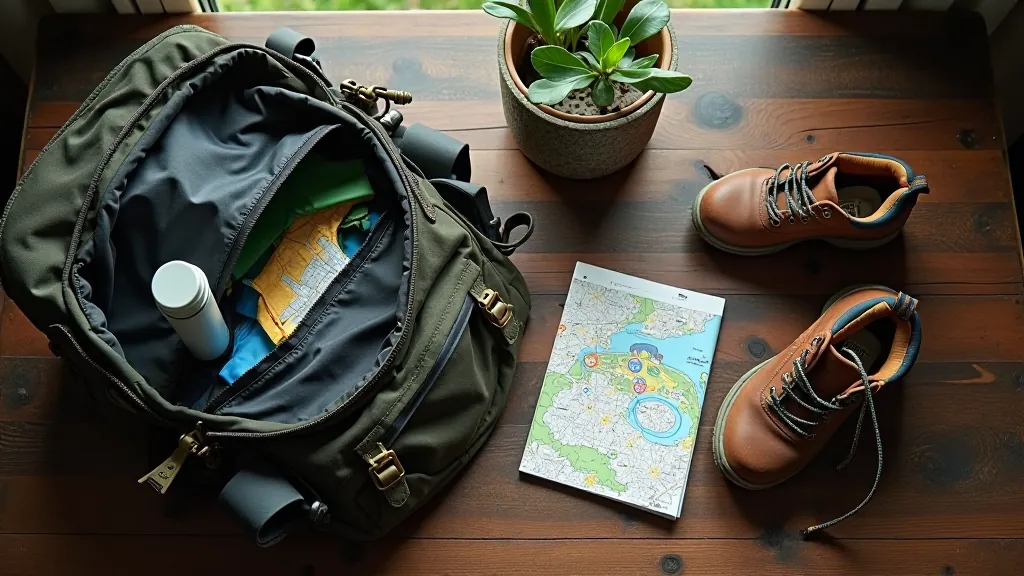
You don't need special gear for this walk. Proper walking shoes with good grip matter more than anything—the grass sections can be soft underfoot and occasionally muddy depending on recent weather. A waterproof layer is essential in Ireland; even when the forecast looks clear, weather can shift quickly over the river.
Pack a basic first-aid kit and some snacks—water's especially important in summer months. Mobile signal is decent along the entire route, but don't rely on it completely. You'll want a simple map or offline route downloaded on your phone. Honestly, most walkers just follow the markers and signs once they get started.
Best times to walk: May through September offers the warmest weather and fullest meadow flowers. April and October work fine if you don't mind cooler temperatures. Winter visits are quieter but paths can be slippery—not ideal unless you're experienced.

The Villages Along the Way
Three villages break up your walk naturally. Each has a character—small enough to feel genuine, developed enough to have what you need. You're not walking through tourist-focused places; these are actual communities where locals shop and meet. That's partly what makes them interesting.
The first village appears around the 2-kilometer mark. It's got a small café where you can grab tea or coffee, a couple of shops, and public facilities. Most walkers stop here briefly. The second village, about halfway through, has a proper pub and restaurant if you want a proper meal instead of a quick snack. The third village near the end is quieter—good for reflection before heading back to your starting point.
Don't expect fancy accommodations or trendy cafés. What you'll find is authentic hospitality and genuine interest in where you've come from and what brought you to walk their river.
Wildlife & Natural Features
The Shannon supports diverse bird life. You'll definitely see swans—they're territorial along certain stretches and aren't shy about making their presence known. Great herons fish the shallower sections, moving with remarkable patience. In summer months, you might spot kingfishers if you're quiet and observant, though they're quicker to startle than other birds.
The meadow sections bloom seasonally. Late spring brings buttercups and daisies. Summer develops richer wildflower displays—ragged robin, marsh marigold, and various grasses create visual depth. Autumn colors the landscape in gold and amber tones. Winter reveals the skeletal structure of trees and the river's movement more clearly without leaf cover obscuring the view.
You won't encounter dangerous wildlife on this route. Occasionally you'll see rabbits or deer in meadow sections, especially early morning or dusk. They're more startled by your presence than you should be by theirs. The river itself is peaceful to walk beside—no dramatic waterfalls or challenging water crossings. It's contemplative walking, the kind where your mind settles into rhythm with your footsteps.
Why This Walk Matters
The Shannon Meadow walk isn't famous or dramatic. You won't find crowds or Instagram-famous viewpoints. What you'll find is genuine connection to the landscape—the kind that builds slowly as you walk. The rhythm of movement, the changing light, conversations with other walkers, the surprise of spotting wildlife, the warmth of village hospitality.
This route works because it respects your pace. It doesn't demand fitness achievements or require special skills. It simply invites you to spend a few hours beside Ireland's longest river, noticing how water shapes land and how communities adapt to living alongside it.
Whether you're new to walking or returning after years away, whether you're local or visiting from elsewhere—this route welcomes you. Start early, bring water, wear proper shoes, and give yourself permission to move slowly enough to actually see what's around you. That's when these walks become memorable.
Continue Your Exploration