Understanding Celtic High Crosses: History & Symbolism
Learn to read the stories carved into these magnificent monuments. We break down the symbols, artistic styles, and what they reveal about medieval monastic life in Ireland.

What Are Celtic High Crosses?
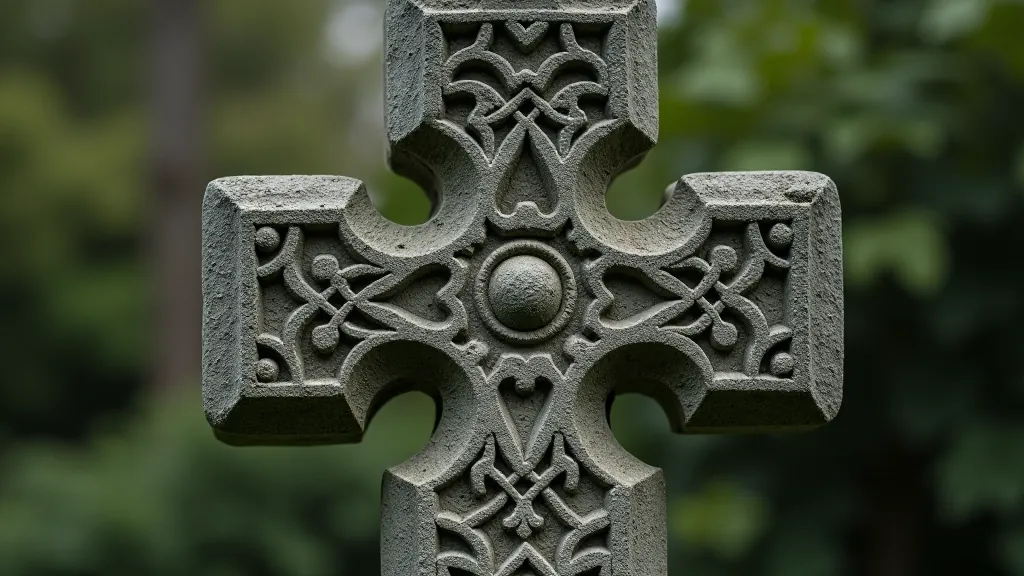
Celtic high crosses aren't just stone monuments — they're visual encyclopedias. Created between the 8th and 12th centuries, these crosses combined Christian symbolism with Celtic artistic traditions. What makes them unique is how they tell stories without words. The carved panels, interlacing patterns, and figurative scenes were designed to teach Bible stories to people who couldn't read.
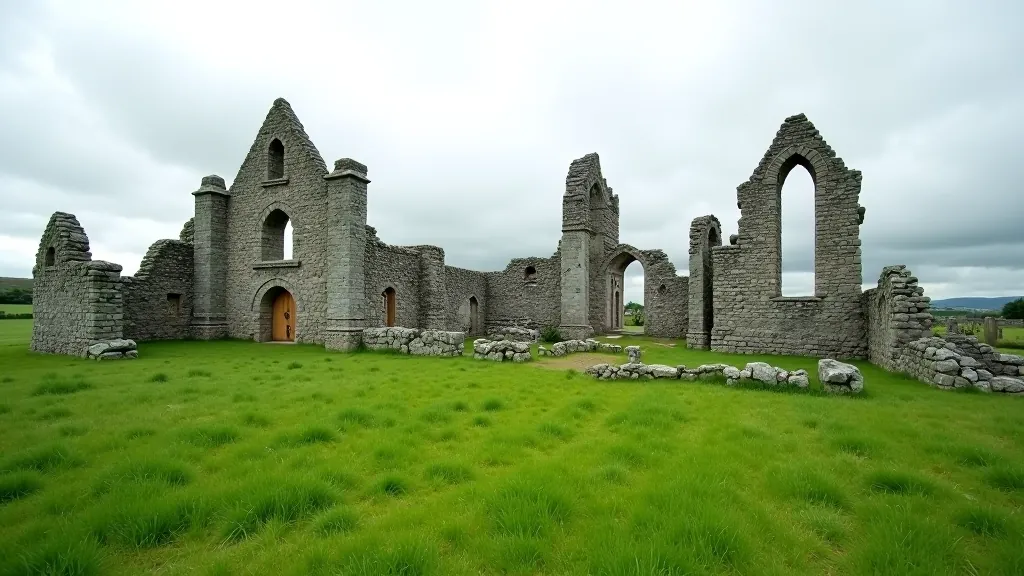
You'll find them scattered across Irish monasteries, marking sacred spaces where monks once walked and prayed. The best-preserved examples stand at places like Clonmacnoise and Monasterboice. They're weathered but enduring — their faces worn smooth by centuries of wind and rain, yet their symbolic meaning still legible if you know how to read them.
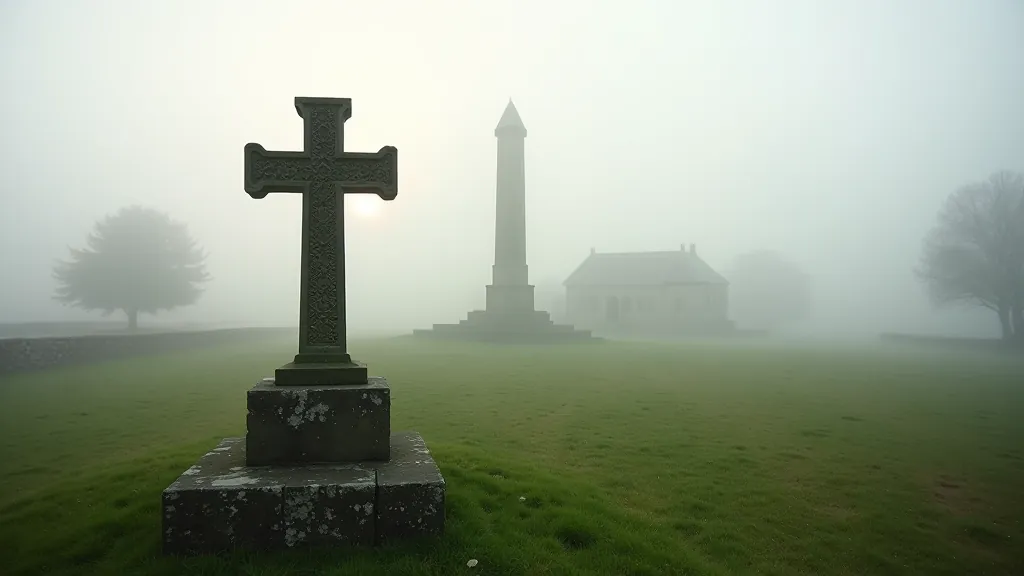
The Symbolism in Every Detail
When you're standing in front of a high cross, there's more happening than you might think. The vertical shaft represents Christ's body. The horizontal arms extend outward like an embrace. But the real meaning lies in the carved scenes.
The circle connecting the arms isn't just decorative — it's intentional. Some scholars say it represents the sun, blending pagan and Christian symbolism. This mixing wasn't accidental. Monks understood their audience. They needed Christian converts to see themselves in the imagery, so they borrowed from Celtic traditions and wove them into sacred narratives.
Key Symbolic Elements
- The interlacing knots: eternal life and interconnection
- The spiral patterns: spiritual journey and rebirth
- Biblical scenes: teaching moments for the illiterate
- Animal carvings: attributes and spiritual protection
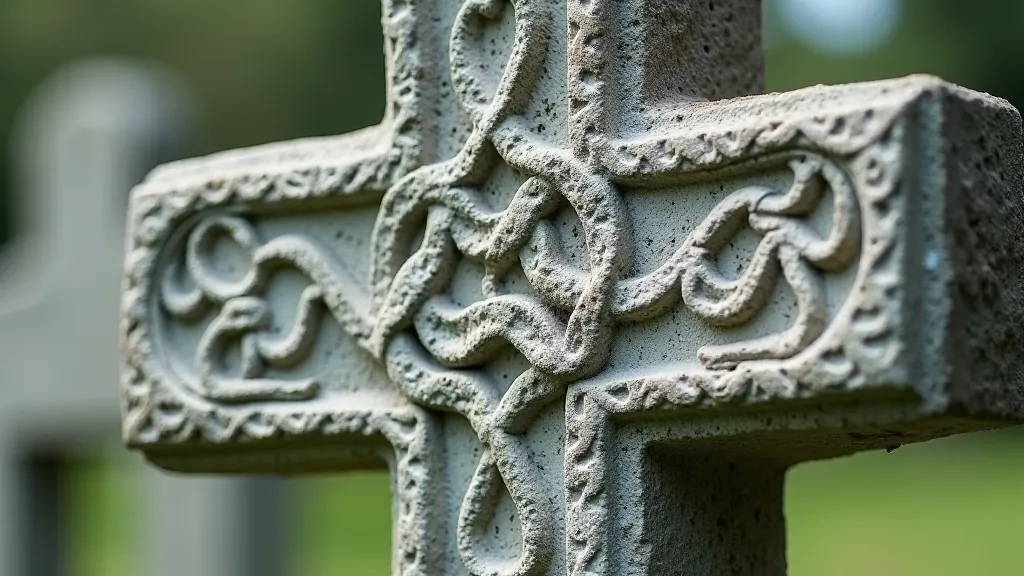
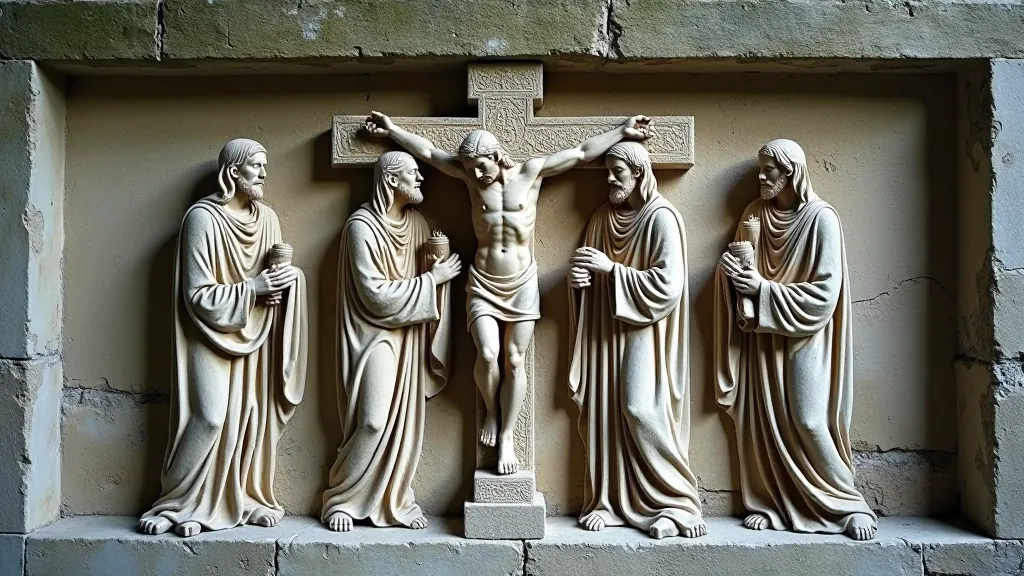
Reading the Biblical Narrative
Most high crosses follow a visual order. The Crucifixion usually occupies the center — it's the focal point. Above it, you'll often find the Resurrection or Ascension. Below, scenes from Christ's life or Old Testament prefigurements that medieval monks believed predicted Jesus.
The Clonmacnoise high crosses show this pattern beautifully. You're looking at a 9th-century lesson in stone. Every panel served a purpose. A farmer who couldn't read Latin could still understand the message. It's visual preaching, carved in granite, built to outlast empires.
The artisans who created these weren't just stonemasons — they were theologians in their own right. They decided what mattered enough to carve. They chose which moments in scripture deserved to be remembered. That's powerful stuff, and it shows in every deliberate stroke of the chisel.
A Note on Dating & Attribution
Dating Celtic high crosses is tricky. We don't have inscription records for most of them. Scholars use artistic style, weathering patterns, and documented historical references to estimate ages. The dates given here (8th-12th centuries) represent scholarly consensus, but individual crosses may vary by a century or more. If you're researching a specific cross, consulting local heritage organizations or academic sources is always worthwhile.
Regional Styles & Variations
High crosses didn't all follow the same template. Different monasteries developed distinctive regional styles. The crosses at Monasterboice show intricate geometric patterns and figure carving that differs from the crosses at Durrow, which tend toward simpler, bolder designs.
Sculptural skill varied too. Some crosses show remarkable anatomical detail — you can see the folds in fabric, the musculature of figures. Others are more abstract, prioritizing symbolic meaning over realistic representation. This variation actually helps us understand the networks of influence between monastic communities. A particular style might appear across multiple sites, suggesting monks traveled and shared techniques.
The high crosses at Clonmacnoise represent a middle point — detailed but not overly realistic, symbolic but still visually engaging. They're considered masterpieces of the 9th century, representing the peak of Irish monastic art before Viking raids disrupted the tradition.
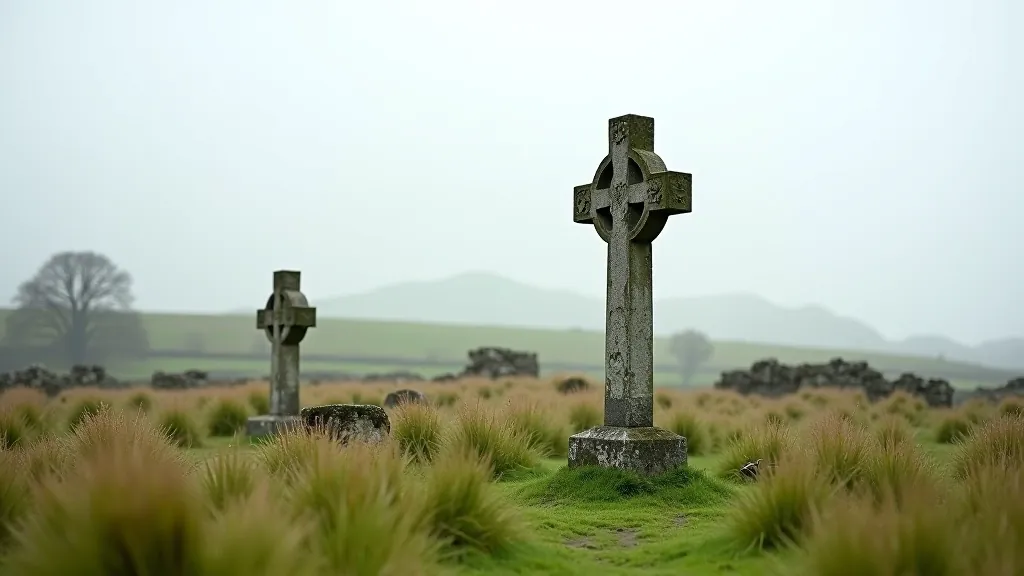
Seeing Them in Person
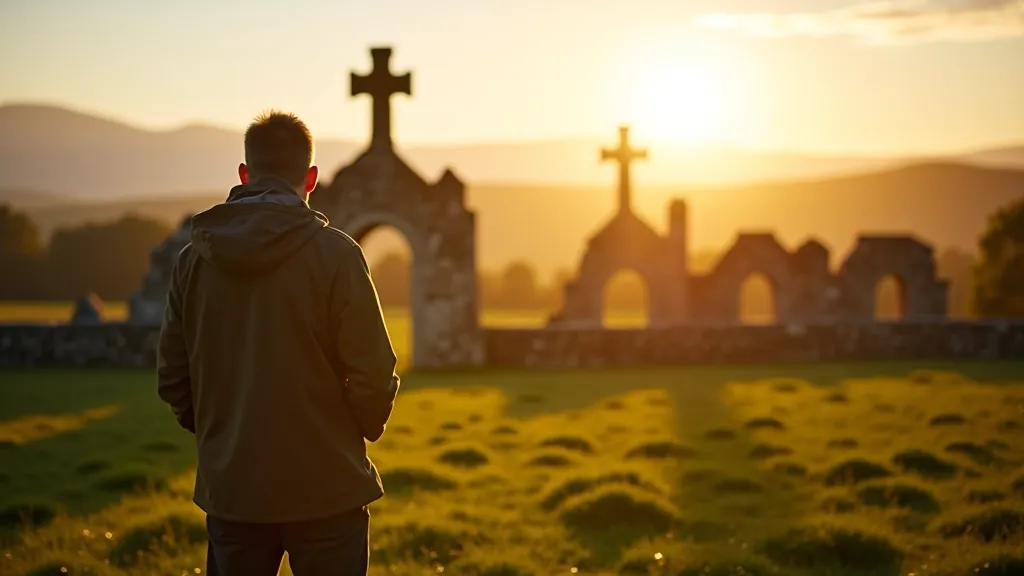
Reading about high crosses is one thing. Standing in front of them changes everything. The scale hits you first — these crosses are tall, often 15-20 feet, carved from single pieces of stone. Then you notice the weathering. Centuries of Irish rain and wind have softened edges and worn faces smooth, but somehow that makes them more moving, not less.
If you're planning walks in the Offaly region, high crosses should be on your list. Clonmacnoise has multiple well-preserved examples, accessible via our walking guides. Spend time tracing the patterns with your eyes. Try to decode the scenes. This is how people understood their faith eight hundred years ago — not through books, but through stone, carved with skill and purpose.
Bring a camera if you want, but don't let it replace observation. The best moments come when you stop documenting and just stand there, looking, thinking about the hands that carved these, the pilgrims who touched them, the centuries they've survived.
Related Articles