Monastic Gardens: How Medieval Monks Designed Sacred Spaces
Discover how monks created beautiful gardens for both practical and spiritual purposes. See what's been preserved and restored at Offaly's monastic sites, and learn what plants they actually grew.

Gardens That Fed Both Body and Soul
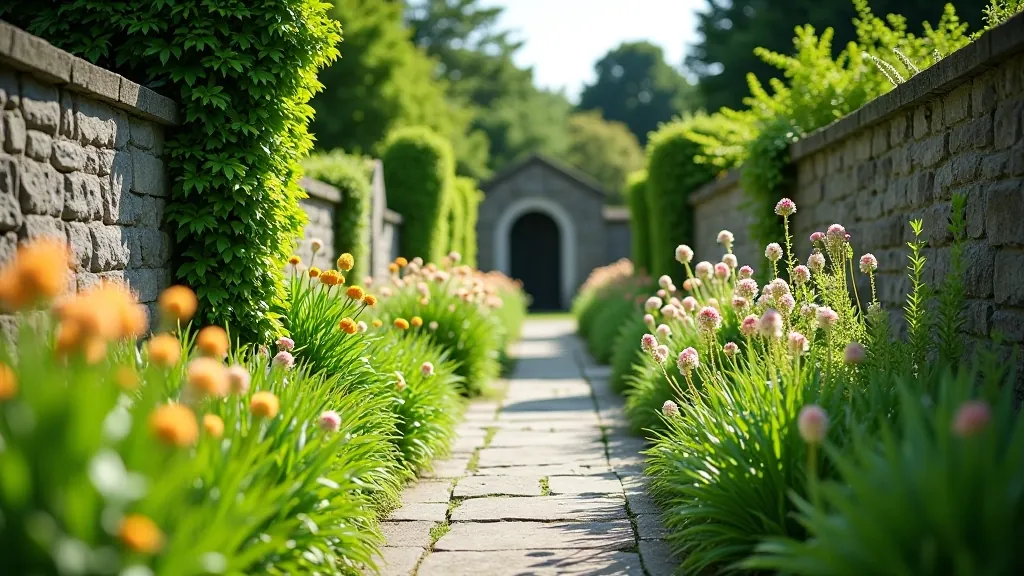
Medieval monks weren't just spiritual contemplatives — they were practical gardeners. Between their prayers and manuscript copying, they cultivated elaborate gardens that served real purposes. You'll find the remains of these gardens at monastic sites across Offaly, and understanding how they were designed tells you a lot about medieval life itself.
The gardens weren't random patches of plants. They were carefully organized spaces, divided into distinct areas for herbs, vegetables, flowers, and medicinal plants. Each section had its own logic, and the monks knew exactly what they were doing.
The Cloister Garden: Heart of the Monastery
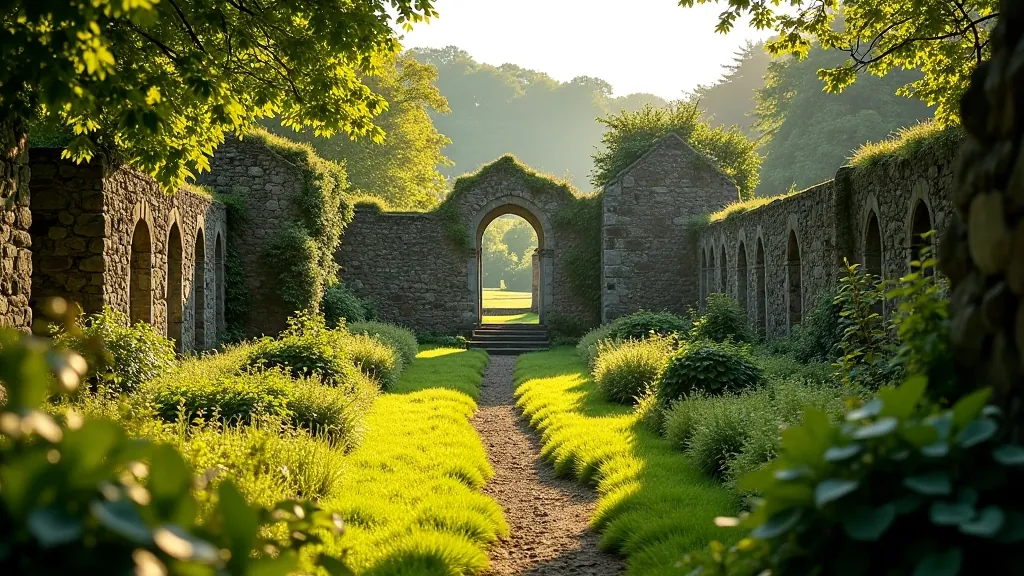
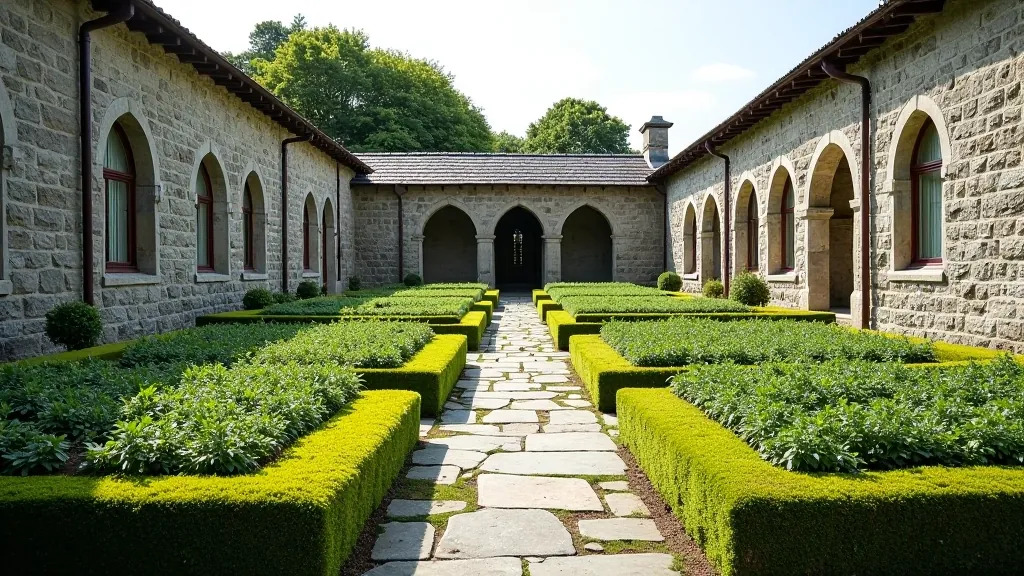
The cloister garden was the centerpiece of monastic life. It's a quadrangular space surrounded by covered walkways, and it served as both a practical growing space and a place for contemplation. The monks would walk these covered paths during bad weather, reading or reflecting while still being connected to the garden.
These gardens were smaller than you might expect — usually around 30-40 meters square. They weren't trying to feed the entire monastery from just this space. Instead, the cloister garden focused on medicinal herbs, aromatic plants, and vegetables that needed close attention. Lavender, sage, and mint grew alongside practical crops like lettuce and peas.
What's remarkable is how organized they were. Paths divided the garden into neat rectangles called "beds," and each bed had its own plants. This wasn't accidental — it reflected the monastic love of order and structure. Everything had its place.
About This Information
This article is informational and educational. While based on archaeological evidence and historical research, specific details about monastic gardens vary by location and period. Plant identification and garden layouts are reconstructed from surviving evidence. If you're visiting monastic sites, check with local heritage centers for the most current information about what's actually preserved and accessible at each location.
Herbs, Vegetables, and Medicinal Plants
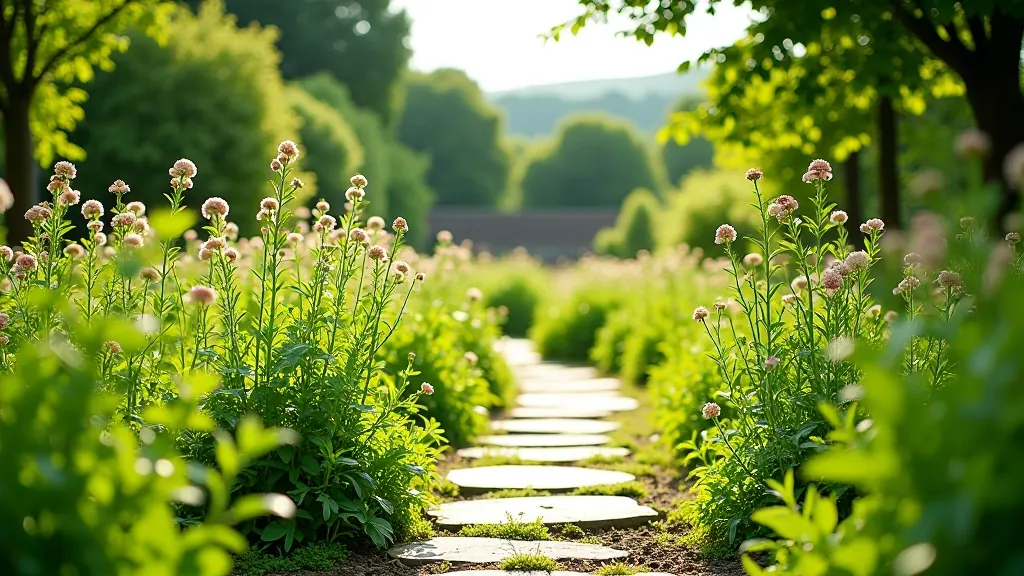
The monks grew plants for three main reasons: food, medicine, and ceremony. Onions, cabbage, and beans fed the community. Feverfew and wormwood treated illnesses. Rose petals and lavender were used in religious rituals. They weren't separating these purposes — each plant had multiple uses.
Documentation from surviving monastery records tells us exactly what they grew. At a typical Irish monastery in the 11th or 12th century, you'd find sage for cooking and healing, mint for digestive problems, comfrey for wounds, and borage for courage (or so they believed). Practical plants like parsley, chives, and garlic grew alongside more exotic herbs like hyssop and pennyroyal.
What's interesting is that they weren't just growing these plants — they were actively improving them. Monks kept records of which varieties performed best in Irish weather. They saved seeds, traded cuttings with other monasteries, and developed local varieties suited to the climate. They were early plant breeders, really.
Larger Kitchen Gardens and Orchards
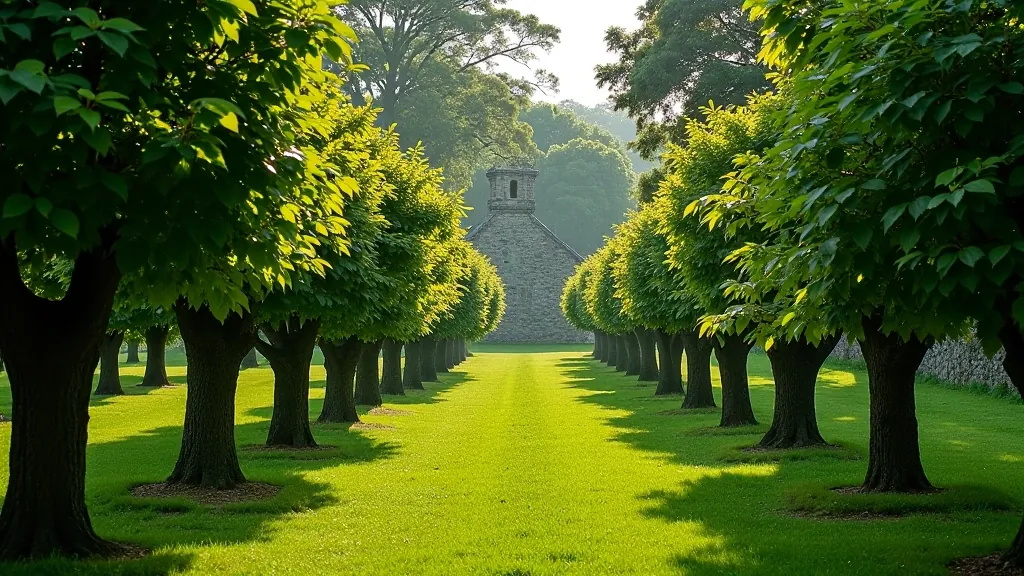
Beyond the cloister garden, monasteries maintained larger growing areas. These were the real food producers — big kitchen gardens where monks grew staple crops like beans, peas, and root vegetables. Some sites also had orchards with apple, pear, and plum trees. These weren't decorative — they were working orchards that produced food for storage through winter.
The kitchen garden was organized differently than the cloister space. It was more utilitarian, focused on maximizing production. Rows of vegetables grew where they'd get maximum sunlight, and water access was carefully planned. Medieval monks understood crop rotation and soil management in ways that suggest real accumulated knowledge.
What we're discovering now is that some of these sites still show traces of the original layout. At Clonmacnoise and other Offaly monasteries, you can sometimes spot the raised beds or terracing that monks created centuries ago. The landscape itself remembers what was planted there.
Design Principles That Still Make Sense
Medieval monks weren't following modern garden design rules, but they understood principles that still work today.
Water Management
Monks dug wells and created channels to bring water to their gardens. They understood that consistent moisture was essential, especially in Irish weather where rain comes unpredictably.
Shelter and Exposure
Walls and hedgerows protected delicate plants from wind. Monks positioned different plants based on sun exposure — shade-tolerant herbs in shadier corners, sun-lovers in open areas.
Soil Improvement
They added compost and manure to improve soil fertility. Crop rotation wasn't random — it followed a system that kept soil productive year after year.
Record Keeping
Monks documented what grew when, which plants thrived in poor years, and which varieties outperformed others. Knowledge accumulated and got passed down.
What's Preserved Today
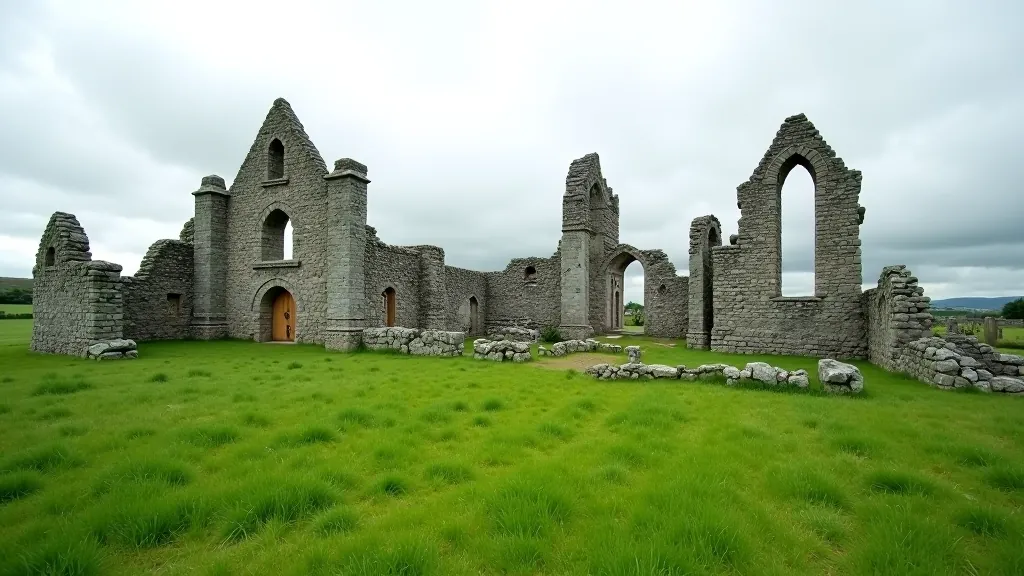
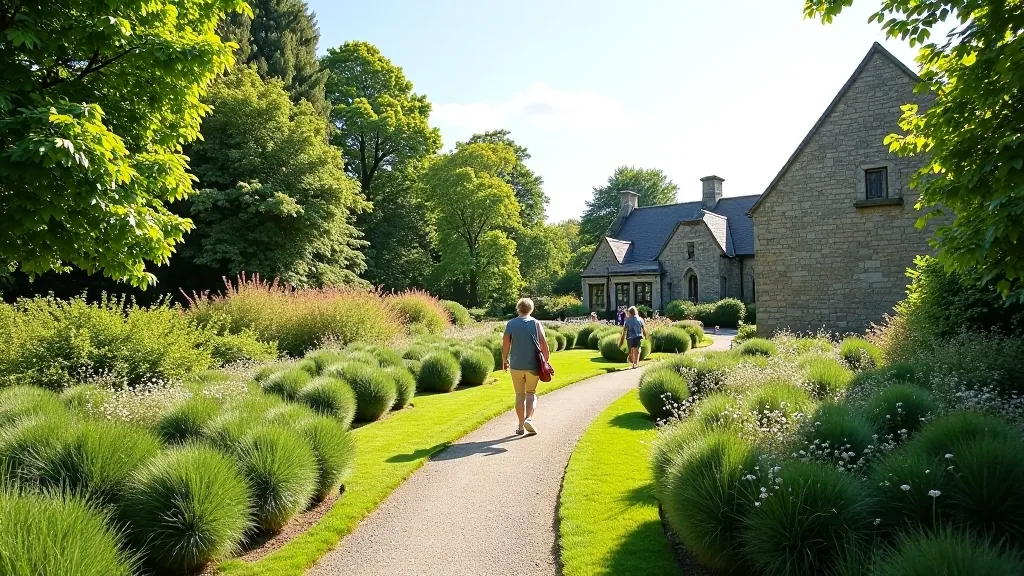
You can't walk into a perfectly preserved medieval monastic garden — time and neglect have taken their toll. But several sites across Offaly are working to reconstruct and interpret what once grew there. It's detective work, really. Archaeologists look for physical traces of beds and channels, historians read old documents, and gardeners experiment with planting period-appropriate varieties.
At Clonmacnoise and other major monastic sites, you'll see interpretive gardens that attempt to recreate the medieval layout and plant selection. They're not exact replicas — we don't have perfect information — but they give you a genuine sense of what monastery life would have been like. Walking through these gardens, you're standing where monks stood, tending the same plants in the same climate.
If you're visiting Offaly's monastic heritage sites, ask about the gardens. Local guides and heritage center staff can point out where plants once grew and explain what was cultivated. It's a different way of seeing these sites — not just as ruins of buildings, but as landscapes that were actively managed and deeply connected to the monks' daily lives.
Gardens as Sacred Spaces
Medieval monks designed their gardens with intention. Every plant served a purpose, every path had meaning, and the whole layout reflected their values of order, productivity, and contemplation. These weren't gardens as we think of them today — carefully curated aesthetic spaces. They were working landscapes that fed people, healed people, and provided places for quiet reflection.
When you walk through the monastic sites in Offaly, you're seeing the bones of these gardens. The walls that protected them, the terrain they modified, the places where water once flowed — it's all still there if you know how to look. The plants are gone, but the design principles remain. And in the reconstructed gardens at heritage sites, you can actually experience what the monks created centuries ago.