Walking the Clonmacnoise Round Tower Path
Explore Ireland's most complete monastic site. A guided walk through seven churches, the famous round tower, and high crosses spanning over 1,500 years of history.

A Walk Through Medieval Ireland
Clonmacnoise isn't just another archaeological site. It's the most intact monastic settlement you'll find in Ireland — and walking it feels like stepping back 1,500 years. The site sits on the Shannon's bank, and you're never far from the sound of the river as you move between the churches and the remarkable round tower that dominates the landscape.
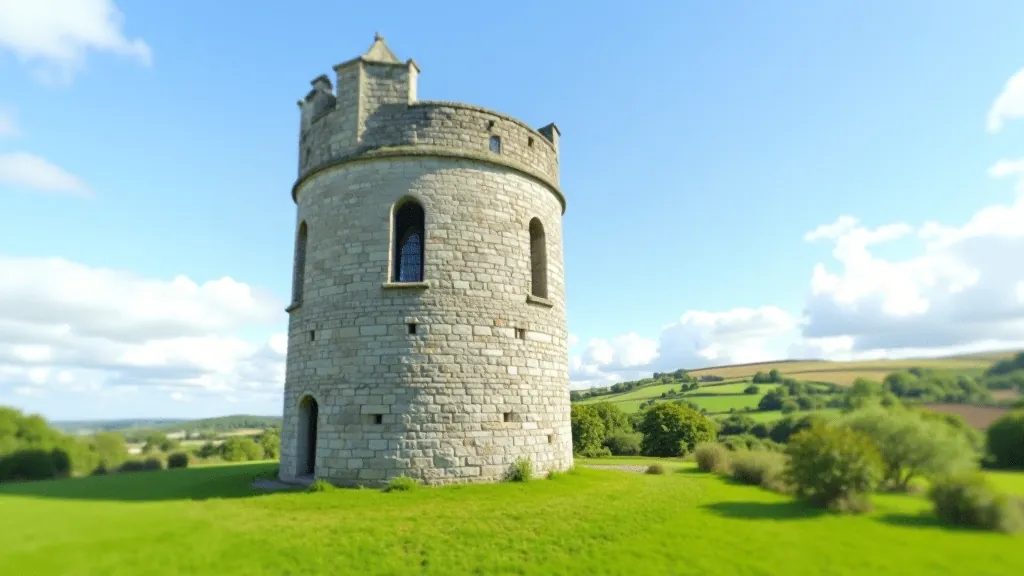
The round tower is what draws most visitors. It's 65 meters tall, built in the 12th century, and stands almost exactly as it did for centuries. But here's what makes this walk special: you're not just looking at buildings. You're walking through a working monastery, reading the carved crosses, and understanding how monks actually lived here. The path takes you through real history — not a museum version of it.
Planning Your Visit
The walk itself takes about 90 minutes if you're moving steadily. But honestly? You'll want longer. The site covers roughly 20 acres, and there's a lot to see — seven churches, the round tower, multiple high crosses, and burial ground sections that tell stories of monks, kings, and warriors buried here. If you're the type who reads every carved cross and wonders about the people, plan for two to three hours.
Best time to visit is spring through early autumn. Summer crowds are real — you're not alone at 2 PM in July. Morning visits, especially before 10 AM, give you quiet time with the site. The terrain is mostly flat and well-maintained, though there are some uneven stone areas and steps. Wear proper walking shoes. Weather changes fast here — we're near the Shannon, and wind and rain come through quickly. Bring a light jacket even on clear days.
What to Bring
- Sturdy walking shoes (uneven terrain)
- Weather jacket (wind common near river)
- Water and snacks
- Camera or phone for photos
- Small notebook (optional, but many visitors sketch the crosses)
Before You Go
This guide is informational — conditions at archaeological sites change seasonally. Check current access details and any closures with the Clonmacnoise visitor information before your visit. The site is outdoors with uneven ground. Wear appropriate footwear and bring weather protection. If you're visiting with children or have mobility concerns, contact the site ahead to discuss accessibility options.
The Walk Route
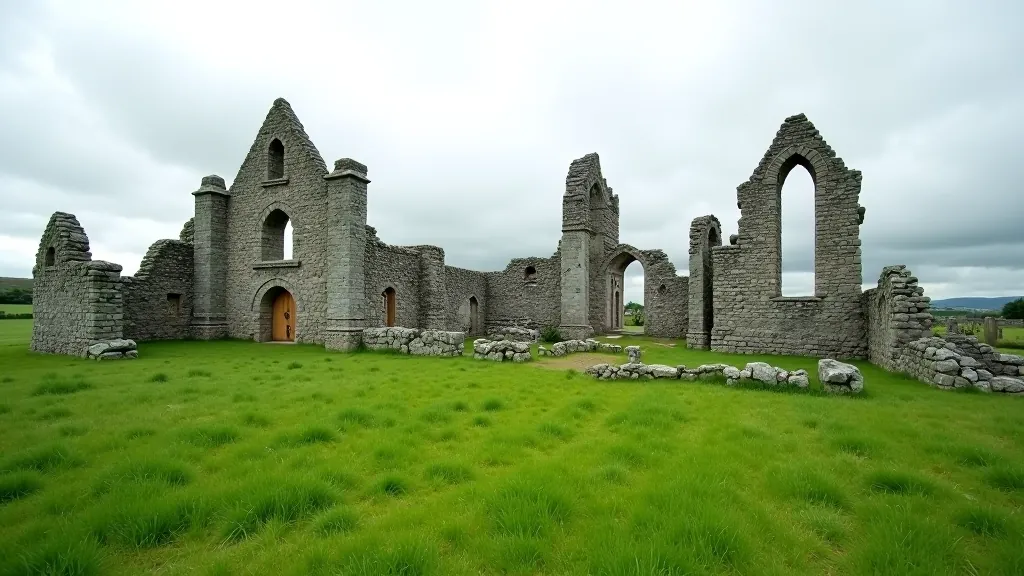
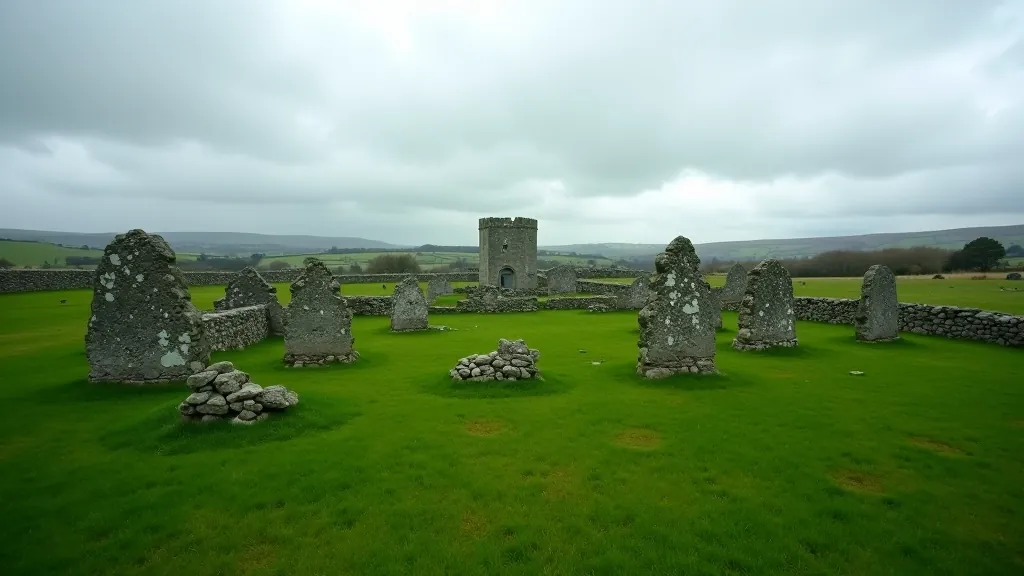
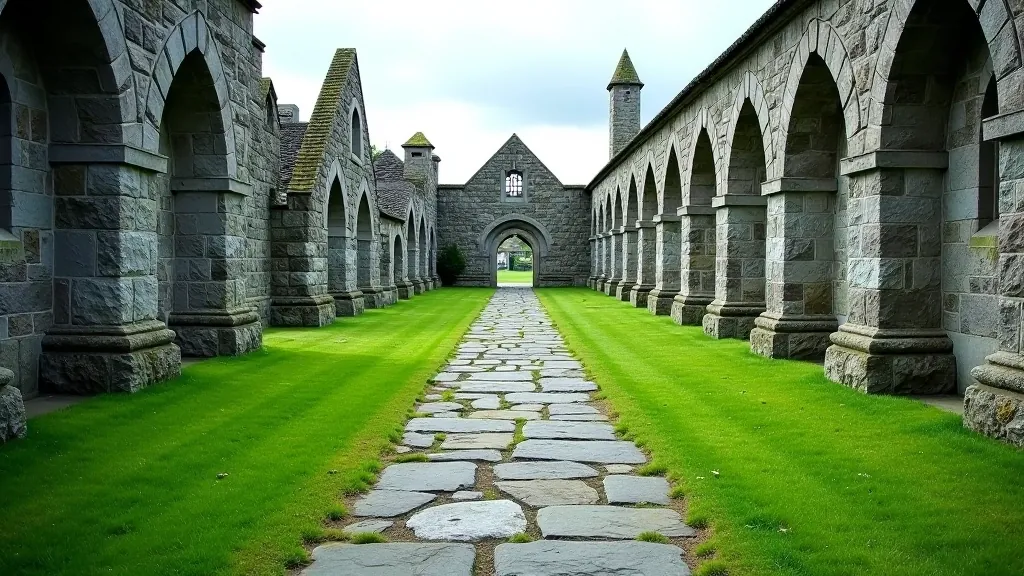
Start at the entrance near the round tower. Most visitors make a loop — you'll naturally gravitate toward the tower first because it's impossible to miss. From there, move counterclockwise around the site. You'll pass through O'Rourke's Church, the Cathedral, and Teampall Dowling. Each one's different. Some are nearly complete; others are partial walls with intricate carved details still visible on what remains.
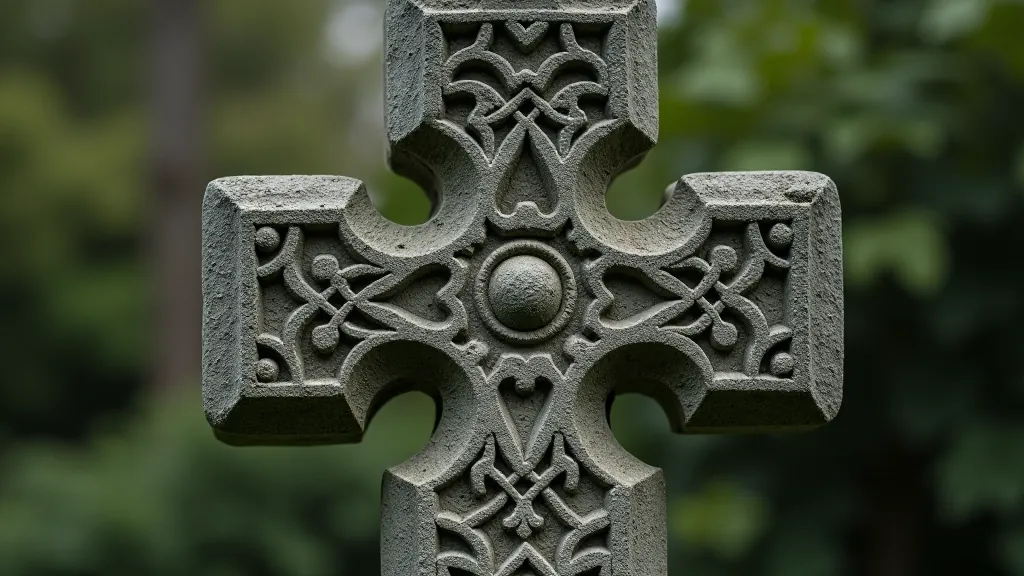
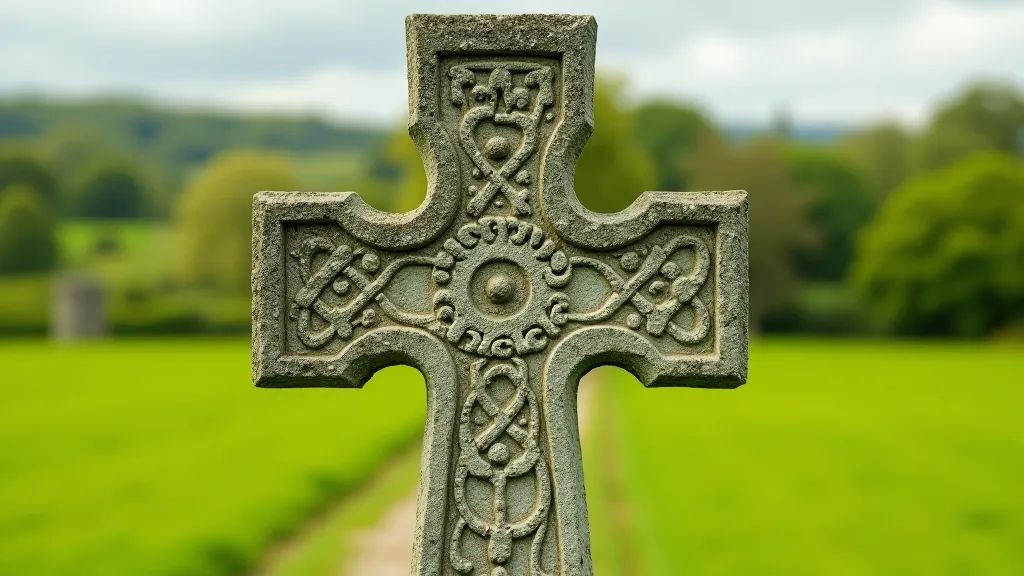
The high crosses deserve real attention. There are three main ones still standing — the Cross of the Scriptures is the most famous, covered in biblical scenes. You'll recognize Adam and Eve, the Crucifixion, and various saints carved in relief. The craftsmanship is remarkable when you look close. Some carving is so fine it's hard to believe it was done without modern tools. The walk isn't difficult — it's mostly flat with gentle slopes. The biggest challenge? Deciding how long to spend at each spot.
Don't skip the cemetery areas. There's something humbling about walking through a graveyard that's been in use for over a thousand years. You'll see modern graves alongside medieval ones. It's a place where history isn't separated from life — it's continuous and real.
Key Sites You Can't Miss
The Round Tower
Built around 1100s, this 65-meter tower was both bell tower and defensive structure. The narrow windows and high doorway tell you monks could retreat here if raided. You can't climb inside anymore, but standing at its base and looking up gives you real perspective on medieval engineering.
The Cathedral
The largest building on the site, partially roofed now after restoration. The doorway has Romanesque arches, and inside you'll see where the altar was positioned. It's where major ceremonies happened — ordinations, feast days, important gatherings.
Cross of the Scriptures
The finest high cross here, carved with biblical scenes. Adam and Eve, the Crucifixion, and other biblical moments are rendered in stone with remarkable detail. It's a visual Bible for a community that couldn't read — every carving told a story.
O'Rourke's Church
Named after the king who founded the monastery's later development. It's small, intimate, with good preservation of the doorway and window frames. You get a real sense of what these individual churches felt like as prayer spaces.
What the Walk Teaches You
Walking Clonmacnoise changes how you think about medieval monks. You're not visiting a quiet retreat — you're walking through a major center of learning, craft, and power. The site controlled surrounding land, the monks produced manuscripts (some are in Trinity College now), and kings sought out this place for its spiritual significance and influence.
The Shannon flows past the entire site. You'll see how the monks used the river — for water, for transport, and probably for fishing. The location wasn't accidental. They chose this spot because it's defensible, accessible by water, and surrounded by productive land. Every decision reflects practical thinking as much as spiritual devotion.
Spend time looking at the carved stones. The crosses tell stories. The graves show you who was important — bishops, abbots, warriors, families. You're not just seeing buildings; you're reading a community's values written in stone. It's archaeology you can touch and understand in real time.
Pro Tips for Your Visit
Bring Binoculars
The carved details on high crosses are remarkable but small. Binoculars let you see the full biblical scenes carved into stone from a distance without getting uncomfortably close to fragile monuments.
Visit in Morning Light
The carved details cast better shadows in morning light. You'll see the carved scenes more clearly, and photos come out better. Plus, the site's quieter before midday crowds arrive.
Walk the Perimeter Last
Do the main buildings and crosses first when you have energy and focus. Save the outer areas and cemetery walk for the end — it's reflective and gives you a broader perspective on the whole site.
Read About the Crosses First
Download a guide or read up on high cross iconography before you go. You'll understand what you're seeing — which scenes are biblical, why they were chosen, what they meant to medieval people who couldn't read but could read images.
Why This Walk Matters
Clonmacnoise connects you directly to Irish medieval history. You're not reading about it — you're standing in the places where it happened. The round tower that monks built to defend themselves still stands. The crosses they carved still show biblical stories. The river they used for water and transport still flows past.
This walk works because it's not abstract. It's tactile, visual, and real. You can touch the stones (gently — they're fragile), read the carvings, imagine the daily rhythms of monastic life. That's something you can't get from a museum or a book. It's why people travel to places like Clonmacnoise — because standing where history happened is different from reading about it.
Plan a few hours, bring proper shoes, and don't rush. The walk's not about covering distance — it's about understanding a place that shaped Irish culture and kept learning alive during centuries when much of Europe was struggling. That's worth taking your time for.